Chronicles
A collection of stories and description of time spent photographing some of the images captured.
First Finding - Learning to See
18th of October 2026
My story begins in 2017, when I purchased my first camera for a college project. I wanted to create high-quality archival photographs of models I had built, but the purchase soon led me in an unexpected direction. In my free time — of which there was very little — I began photographing local wildlife at a nearby nature preserve in Ohio.
What started as a small hobby quickly became something more. Every weekend, I would take my camera into the preserve, finding a sense of calm in the natural world that offered a welcome reprieve from the pace and pressures of college life.
Later in college, I attended a voluntary course in architectural photography. The instructor introduced us to manual camera settings and the fundamentals of composition, using buildings and interiors as his subjects. Although the subject matter was far removed from what would eventually capture my interest, the lessons gave me a foundation on which to build. At the time, I simply hadn't yet discovered where that foundation would lead me.
There were few wooded areas near my college, but the limited opportunities I had encouraged me to become familiar with the places that were available. I began to appreciate the value of returning to the same woodland, observing its character, and becoming acquainted with its quieter details.
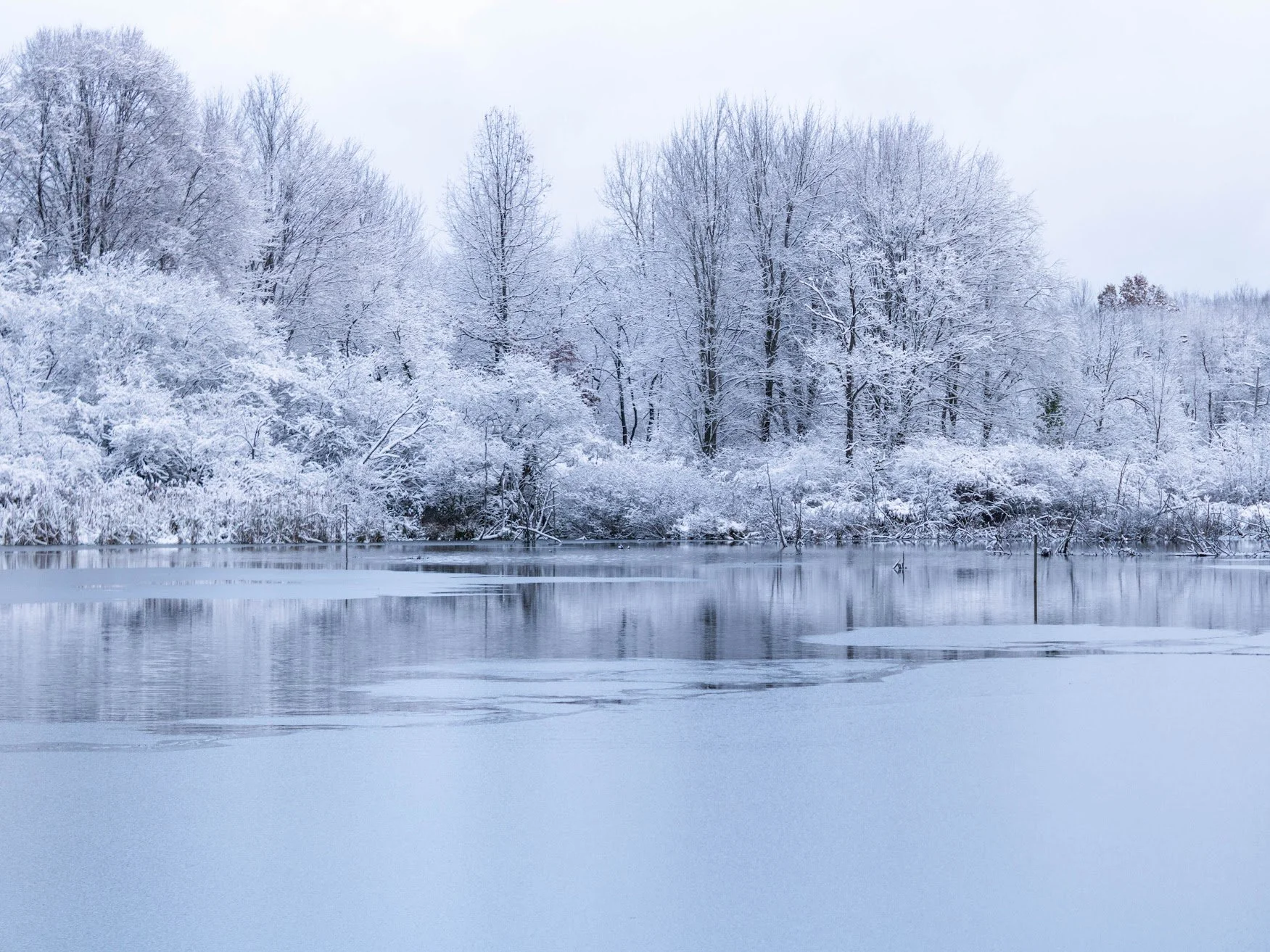
It was during this period that I captured the photograph accompanying this article.
I was hooked.
I showed the image to just about everyone I knew, and the response was overwhelmingly positive. Their appreciation meant a great deal to me. What might have seemed like a small accomplishment to someone else felt enormous to me. For the first time, I had created an image that seemed to communicate something beyond the simple act of taking a photograph. It gave me the encouragement to keep going.
I continued photographing until my college days came to an end. Afterward, I put the camera down and settled into the rhythms of working life. I still had my hobbies, but before long, I found myself restless. I missed having something to pursue with genuine enthusiasm.
I would spend hours watching the work of photographers such as Nigel Danson and Simon Baxter, captivated by their images of woodlands and landscapes. I often wished I could live somewhere like they did, surrounded by the beautiful places they photographed. Surely, I thought, if I had access to those same landscapes, I could create something similar.
I tried, again and again, but the results rarely came close to what I had imagined. Eventually, frustration won out, and I set the camera aside once more.
Years passed, but my fascination with Simon Baxter's work never quite left me. Eventually, I found myself returning to photography, this time with a different understanding of what I had been missing.
It wasn't necessarily about where I was photographing, but how I approached it. The conditions surrounding an image, the character of a woodland, the quality of light, and the relationships between its individual elements all mattered far more than I had previously understood. A woodland was not simply somewhere to visit in search of a photograph. It was a place to understand.
I began studying the photographs that captivated me, looking closely at their compositions and trying to understand what made them work. I paid attention to leading lines, framing, clean edges, tonal relationships, and the subtle ways in which a photographer could guide the eye through a scene. Slowly, I began to recognize patterns. I started to understand how seemingly ordinary elements could come together to create something compelling.
Much of this learning came through practice, experimentation, and, inevitably, plenty of unsuccessful attempts. I also discovered that developing an eye for composition in the field was far more difficult than studying a finished photograph at home. What looked effortless in someone else's work often required a great deal of thought and consideration.
In those early stages, I would return from the woods with hundreds, sometimes thousands, of photographs. I would sit down afterward and work through them one by one, gradually narrowing the selection until I found the few images in which the composition, light, and arrangement of the scene came together.
Over time, that process began to change. I became better at recognizing a composition before pressing the shutter. I learned to slow down, observe more carefully, and understand when the elements of a scene were working together — and when they weren't.
Today, I can walk through a woodland or across a stretch of farmland and make far fewer photographs, often returning home confident that the images I've made have real potential. It isn't that every outing produces something worthwhile, nor that I have stopped learning. Rather, I've developed a greater understanding of what I'm looking for and, just as importantly, what makes an image worth making.
Looking back, this was one of the most important turning points in my development as a photographer. I had begun with the desire to capture beautiful places, but I was gradually learning to understand them — to recognize the relationships, patterns, and moments that make a photograph meaningful.
This was my first true finding: not a particular woodland, a camera, or even a photograph, but the beginning of learning how to see.
Bring a Piece of Nature into your Space
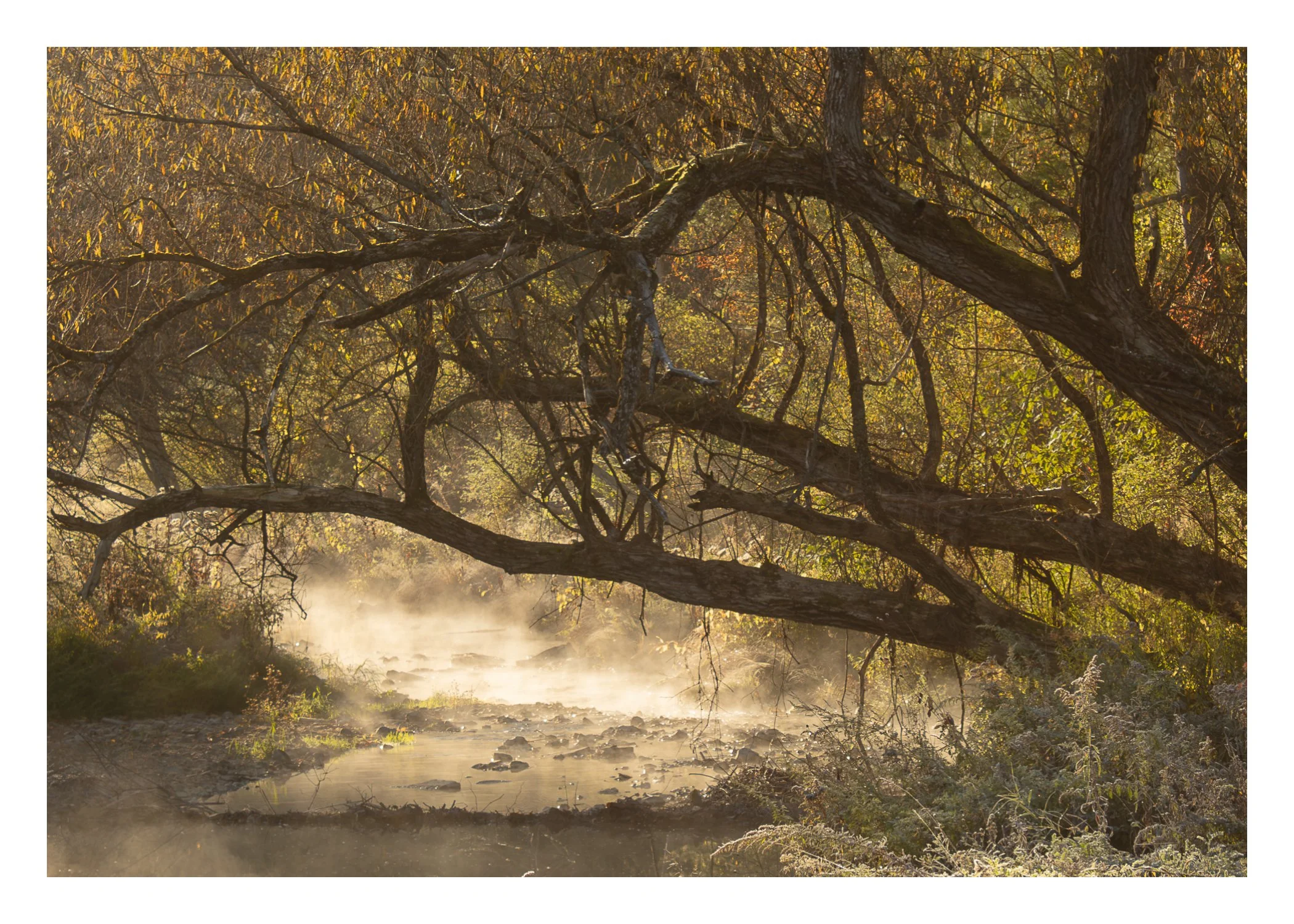
A Photograph can be more than a snapshot of a place. It can be a reminder of the beauty, character, and serenity found in the balance of nature.
That is the idea behind Peck & Hollow. Through fine art photography, I hope to share these moments with others. Inviting a closer study and bringing connection to places and landscapes we so often take for granted.
If you are looking for a single photograph for your home or a collection of works for a business, hospitality space, or professional interior, I would be delighted to help you find something that feels right for your space.
Every photograph begins as a moment in nature. The next chapter is where it finds a home.